“The Art of Flight” (2026) is not merely a film about adventure; it is a breathtaking meditation on human ambition, resilience, and the eternal pursuit of freedom. Directed by visionary filmmaker Joseph Kosinski, the movie redefines the genre of extreme sports cinema by fusing adrenaline-fueled snowboarding sequences with philosophical storytelling and stunning cinematography. Set against some of the most remote and dangerous landscapes on Earth, “The Art of Flight” follows a group of elite snowboarders as they chase the world’s highest peaks and their own limits, turning the act of riding through snow and storm into a form of art.
At its core, the film revolves around Travis Rice, a legendary snowboarder portrayed by himself, whose journey transcends mere sport. After a near-fatal avalanche during a previous expedition, Travis becomes obsessed with confronting the mountains that almost claimed his life. Together with a team of world-class riders and filmmakers, he embarks on a global odyssey spanning Alaska, Patagonia, and the Himalayas, each location more unforgiving than the last. As they push into uncharted terrain, the physical challenge transforms into a spiritual quest, forcing them to confront fear, loss, and the meaning of achievement.
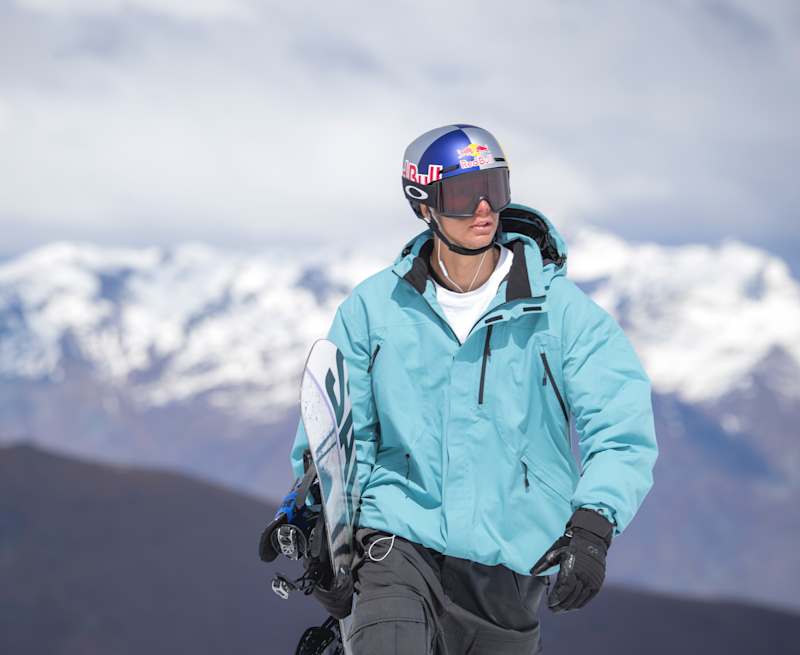
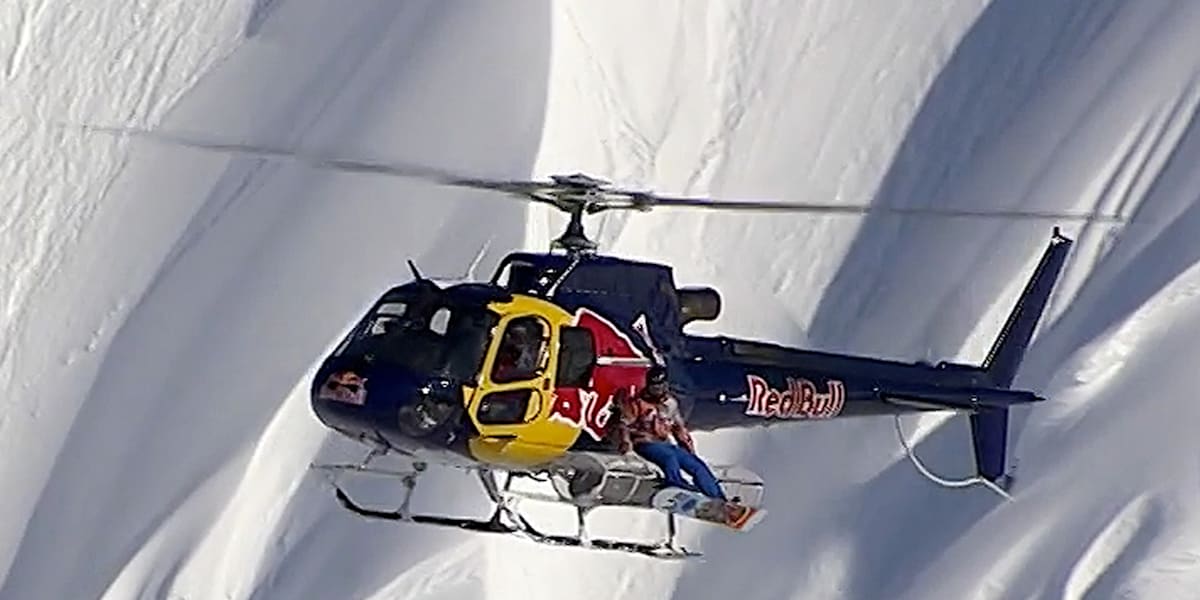
From the very first scene, “The Art of Flight” commands attention with its visual grandeur. The aerial shots of vast snowfields, cliffs, and glacial ridges are almost surreal in their beauty, capturing nature as both muse and adversary. The action sequences, enhanced by next-generation drone technology and IMAX cameras, immerse the audience in the sensation of flight — each descent down a mountain face feels like poetry in motion. Yet beneath the awe lies a constant tension between man and nature, reminding viewers that every triumph is paid for in risk.
The narrative, though sparse in dialogue, is rich in introspection. Between breathtaking runs and catastrophic crashes, the riders reflect on their motivations: what drives a person to risk everything for a fleeting moment of transcendence? Their reflections elevate the film from a documentary to an existential experience, where the mountains symbolize not just challenge but truth itself.
The soundtrack — a fusion of orchestral swells and atmospheric electronic beats — amplifies the emotion of each scene, transforming snow and silence into a symphony of courage and fragility. The editing rhythm mirrors the heartbeat of adventure: calm, explosive, then eerily still.
By the end, “The Art of Flight” becomes a cinematic ode to the human spirit — restless, daring, and forever yearning to rise above its own boundaries. It captures the paradox of exploration: that the higher we climb, the more we discover not the world’s limits, but our own.


