Tyson (2025) is a raw and riveting biographical drama that dives deep into the turbulent life of boxing legend Mike Tyson, exploring not only his ferocious power in the ring but also the chaos, pain, and redemption that shaped the man behind the gloves. Directed with gritty realism and emotional precision, the film avoids glorifying Tyson’s controversies and instead paints a complex portrait of a fighter who battled his own demons as fiercely as his opponents. From the grim streets of Brooklyn to the blinding lights of the world’s biggest arenas, Tyson captures a journey of survival, ambition, and self-destruction with unflinching honesty.
The story begins with young Mike growing up in a tough neighborhood, surrounded by crime and instability. Bullied and directionless, he finds an unlikely mentor in legendary trainer Cus D’Amato, whose belief in discipline, focus, and destiny transforms the troubled boy into a world-class athlete. Their relationship becomes the emotional backbone of the film — a mix of fatherly affection and strict mentorship that gives Tyson purpose. These early scenes pulse with energy and hope, setting the stage for the meteoric rise of a young fighter who seems destined to conquer the world.
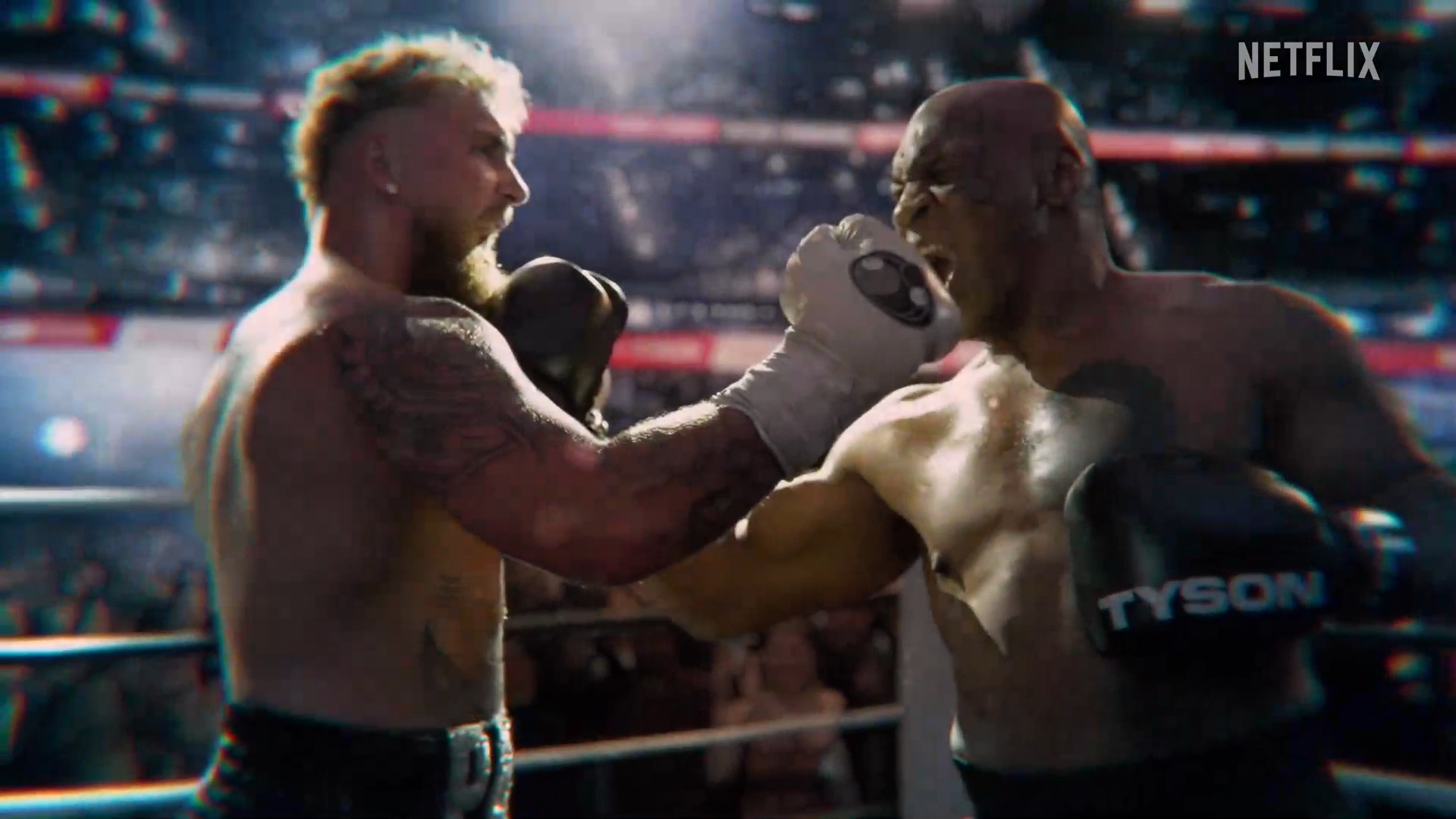
As Tyson’s fame explodes, the film transitions into darker territory. His unmatched dominance in the ring is contrasted with his growing isolation, impulsive behavior, and the pressures of fame. The lavish parties, toxic relationships, and media scandals are portrayed not for sensationalism but as symptoms of a man losing control of his own legend. The film’s pacing mirrors a boxing match itself — moments of calm reflection followed by bursts of brutal intensity — as Tyson’s victories begin to blur into chaos and regret.
One of the film’s strongest elements is its refusal to oversimplify Tyson’s downfall. It examines his legal troubles, the infamous prison sentence, and the media’s obsession with his public image, while also giving space to his inner struggle for redemption. His time behind bars becomes a turning point — a quiet, painful reckoning where he confronts the consequences of his choices and the ghosts of his past.

The final act is both heartbreaking and inspiring, chronicling Tyson’s return to the ring not as a symbol of dominance but as a man seeking peace with himself. The film ends not with triumph or tragedy, but with reflection — showing Tyson’s attempts to rebuild, to become a father, and to find meaning beyond the sport that defined him.
Visually, Tyson (2025) is a knockout — the fight sequences are shot with bone-crushing realism, while the emotional moments linger like bruises that refuse to fade. More than a sports biopic, it’s a meditation on power, vulnerability, and the price of greatness. By the end, viewers don’t just witness the story of a boxer — they experience the evolution of a man who, for better or worse, fought his way into legend.


